Understanding the Pricing Structure of Monograph Accounting Services
Wiki Article
Exploring the Trick Attributes of Monograph Bookkeeping for Successful Accountants
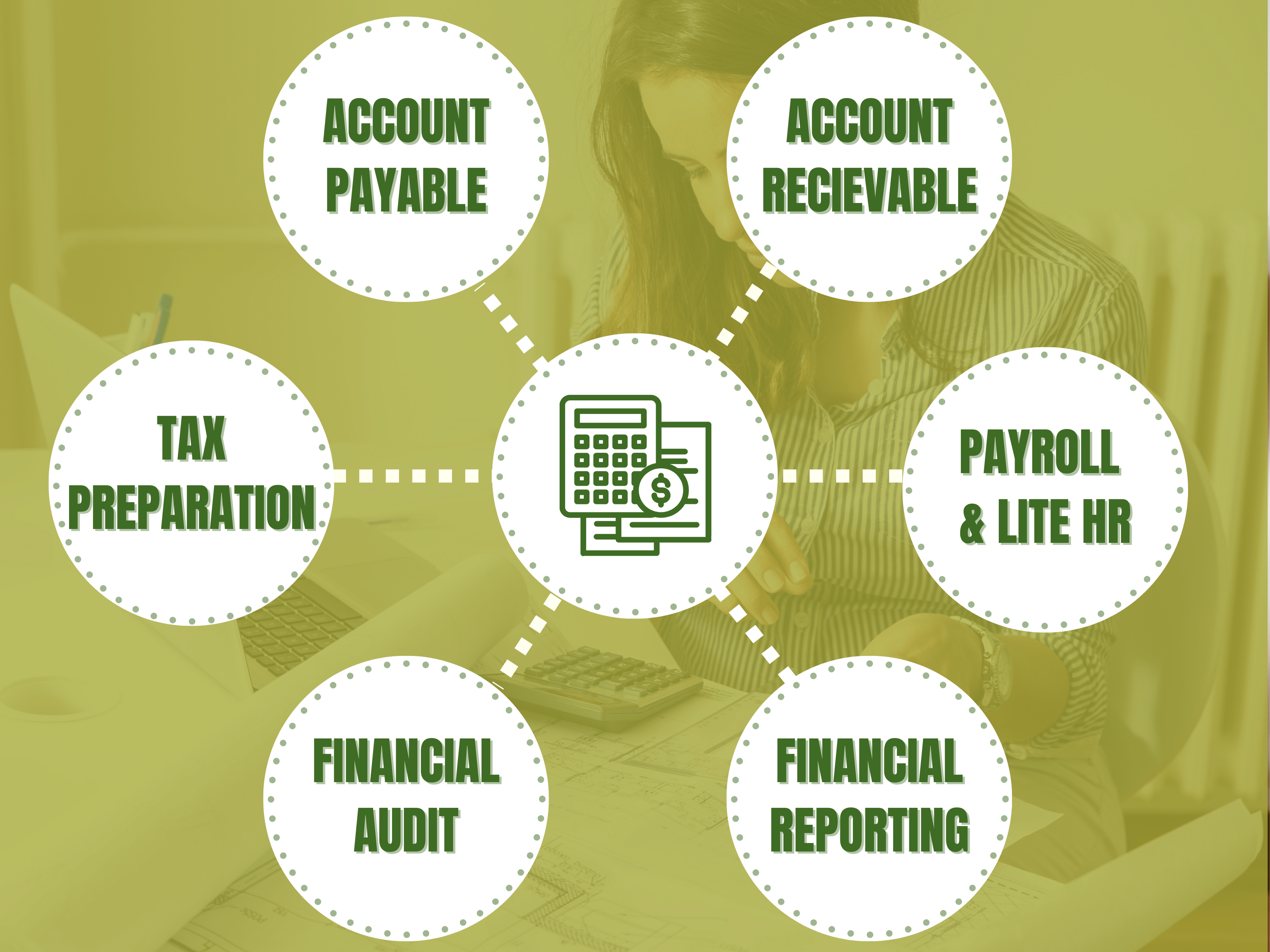
Defining Monograph Audit: A Comprehensive Review
Monograph accountancy stands for a specialized approach within the broader area of economic coverage. This approach highlights the organized and comprehensive documentation of economic deals and their effects. Unlike standard bookkeeping, Monograph accounting is often customized to particular industries or special situations, providing a concentrated framework for analysis and coverage. It enables accounting professionals to dig much deeper into certain areas, presenting a thorough view that lines up closely with organizational purposes.A crucial feature of Monograph audit is its adaptability; it can include different audit requirements and techniques as needed. This adaptability enables accounting professionals to produce reports that are not only precise however also appropriate to stakeholders. The method frequently includes considerable research study and exam of financial data, making sure that every facet is thoroughly comprehended and recorded. Therefore, Monograph bookkeeping acts as a crucial device for accountants intending to offer insightful monetary assessments tailored to particular contexts.
The Importance of Clearness and Accuracy in Financial Reporting

Unreliable or vague coverage can bring about misguided techniques, wore down count on among financiers, and governing analysis. Accountants must prioritize precision in their work, ensuring that figures are carefully confirmed and monetary narratives are meaningful. This not just cultivates transparency but also enhances the overall trustworthiness of the company.
Eventually, clearness and accuracy in financial coverage are indispensable for maintaining stakeholder confidence and promoting sustainable business growth. Accountants play a vital function in supporting these standards, making their experience invaluable in browsing the intricacies of financial data.
Simplifying Decision-Making Procedures With Monograph Accountancy
Performance in decision-making procedures is substantially improved through the principles of Monograph audit. By combining extensive economic information into a singular, systematic framework, accountants can rapidly access crucial details required for informed selections. This method lowers the time invested in data retrieval and analysis, permitting an extra nimble feedback to financial scenarios.Furthermore, Monograph audit highlights clear classification and thoughtful organization of monetary purchases, which reduces mistakes and miscommunication. When accounting professionals make use of these principles, they can provide economic understandings in a structured manner, assisting in conversations among stakeholders.
Furthermore, the standardization intrinsic in Monograph accounting allows smooth contrasts throughout different periods or departments, better assisting in strategic planning. This streamlined technique not just optimizes the internal processes of bookkeeping experts but likewise improves the overall business dexterity, equipping businesses to Monograph adjust to altering market problems quickly.
Key Benefits for Accounting Professionals and Their Clients
While embracing Monograph accounting might call for an initial investment of time and resources, the long-lasting advantages for both accountants and their customers are significant. This bookkeeping technique advertises enhanced accuracy and openness, enabling accounting professionals to preserve clearer monetary records. By consolidating info into a particular narrative, clients get better insights into their economic health and wellness, assisting in informed decision-making.In addition, Monograph accounting fosters stronger customer connections through boosted interaction (Monograph Consultants). Accountants can present monetary data in a much more absorbable layout, making it less complicated for clients to recognize complex details. This clarity not only constructs depend on yet also urges proactive economic management
Furthermore, the structured procedures related to Monograph bookkeeping lower the possibility of mistakes, which can save both time and money. Eventually, the assimilation of this method results in extra effective operations, making it possible for accountants to supply greater high quality solution while equipping customers with boosted economic understanding and control.
Practical Applications of Monograph Audit in Various Industries
In what methods can monograph accountancy transform numerous industries? By supplying a concentrated and thorough approach to monetary coverage, Monograph accountancy improves quality and accuracy throughout diverse sectors. In health care, for instance, it promotes the specific tracking of client prices and resource allocation, eventually improving economic administration. The production market advantages from its organized analysis of manufacturing expenses, permitting much better prices strategies and productivity assessments.In the retail market, Monograph accounting aids in inventory administration and sales forecasting, assisting services enhance supply degrees and reduce waste. In addition, in the not-for-profit field, it helps in transparent reporting of grant financing and resource use, promoting trust among stakeholders. Generally, Monograph accounting's customized techniques enable organizations to achieve monetary openness and operational efficiency, making it a vital device throughout different markets. Its adaptability ensures that businesses can satisfy specific audit requirements while preserving compliance with guidelines.
Often Asked Inquiries
What Software Is Best for Carrying Out Monograph Accounting?
The very best software for carrying out Monograph bookkeeping consists of copyright, Xero, and Sage. These systems provide thorough attributes customized for efficient monitoring, reporting, and administration of economic information, helping with structured accounting processes for specialists.Just How Does Monograph Bookkeeping Differ From Conventional Accountancy Techniques?
Monograph audit focuses on specific jobs or customers, highlighting detailed tracking and reporting for specific entities, while standard audit accumulations data throughout all entities, focusing on overall financial health instead of project-specific understandings and efficiency.What Prevail Challenges Accountants Confront With Monograph Accountancy?
Accountants frequently come across difficulties with Monograph audit, consisting of complexity in monetary reporting, combination with existing systems, guaranteeing conformity with laws, adjusting to distinct client requirements, and managing the detailed documentation needed for precise analyses.
Are There Particular Regulations Governing Monograph Audit Practices?
Yes, details regulations typically govern Monograph bookkeeping techniques, including adherence to national accounting criteria, conformity with tax laws, and industry-specific standards. Accounting professionals must stay informed to ensure their methods align with these developed structures.How Can Accountants Remain Updated on Monograph Bookkeeping Trends?
Accountants can stay upgraded on Monograph audit patterns by registering for industry publications, participating in pertinent workshops and meetings, taking part in expert companies, and involving with on-line forums dedicated to bookkeeping criteria and best practices. (Monograph)Monograph accountancy provides a special structure that boosts financial coverage for accountants. Unlike standard audit, Monograph bookkeeping is frequently customized to special circumstances or specific industries, supplying a focused structure for evaluation and reporting. A crucial feature of Monograph accountancy is its versatility; it can integrate different bookkeeping criteria and methods as needed. By offering a concentrated and extensive method to monetary reporting, Monograph accounting improves clarity and precision across diverse industries. Yes, details regulations usually regulate Monograph accountancy methods, including adherence to national audit requirements, compliance with tax policies, and industry-specific standards.
Report this wiki page